Transcranial Pulse Stimulation (TPS):
Current Evidence and Real-World Clinical Experience
21 October 2026
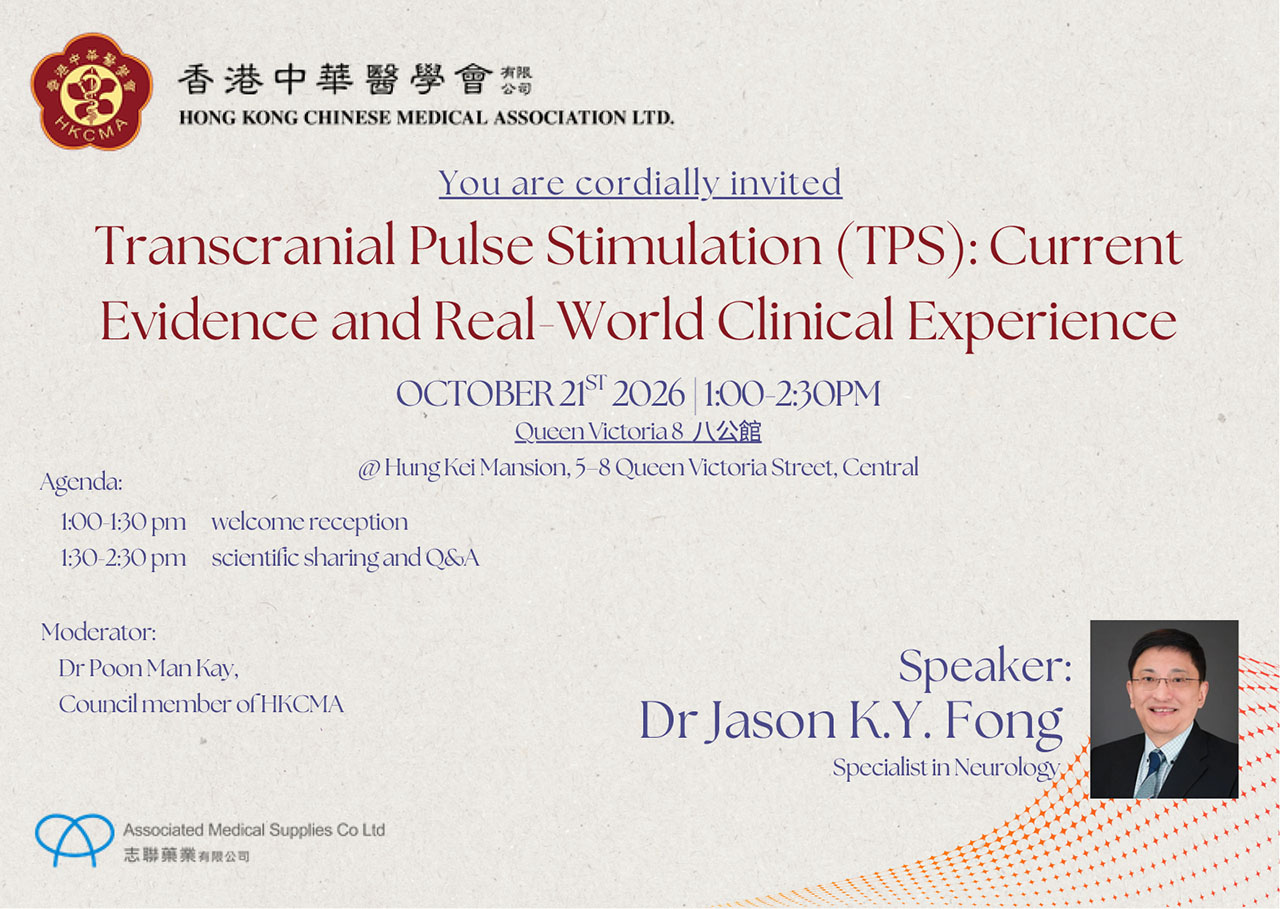
Dr. Jason, Ka-Yeung FONG
MBBS (HK), FRCP (Edin), FRCP (Lond), FHKCP, FHKAM (Medicine)
Abstract
Transcranial Pulse Stimulation (TPS) using the NEUROLITH system will be outlined as an innovative, non-invasive treatment for early Alzheimer’s disease.
1. Technology and Mechanism of Action
Shock Wave Physics: TPS utilizes acoustic, mechanical single-pressure pulses characterized by high positive pressure and steep rises, distinct from continuous ultrasound therapies.
Mechanotransduction: The mechanical forces (tensile, compressive, shear) stimulate mechanosensitive ion channels, enhancing cell membrane permeability.
Cellular Effects of TPS include increasing regional blood flow, induces angiogenesis via VEGF release, promotes anti-inflammatory effects through nitric oxide, boosts BDNF production, and encourages neuroplasticity and neurogenesis.
2. Clinical Protocol and Safety
Treatment Parameters: Delivered via the NEUROLITH system utilizing real-time 3D camera tracking (BodyTrack software) and personalized MRI navigation. A standard course comprises 6 sessions over 2 weeks (6,000 pulses per session across frontal, temporal, parietal lobes, and the precuneus) with maintenance boosters every 4 to 6 weeks.
Safety Profile: The therapy is well-tolerated as an outpatient add-on procedure, showing minimal, transient side effects (such as mild headache, jaw pain, or fatigue lasting less than a day).
3. Clinical Efficacy and Evidence
Cognitive and Neuropsychiatric Benefits: Systematic reviews and real-world studies demonstrate significant improvements in cognitive scores (e.g., MMSE, MoCA, ADAS-Cog) and marked reductions in behavioral and depressive symptoms (NPI and BDI scores).
Structural Preservation: Research indicates that TPS helps mitigate regional cortical atrophy, stabilizing patient performance over long-term follow-ups.
In summary, TPS is a useful adjunctive therapy in early Alzheimer’s disease but larger longterm studies are necessary to document the longterm benefit and optimal treatment paradigm.
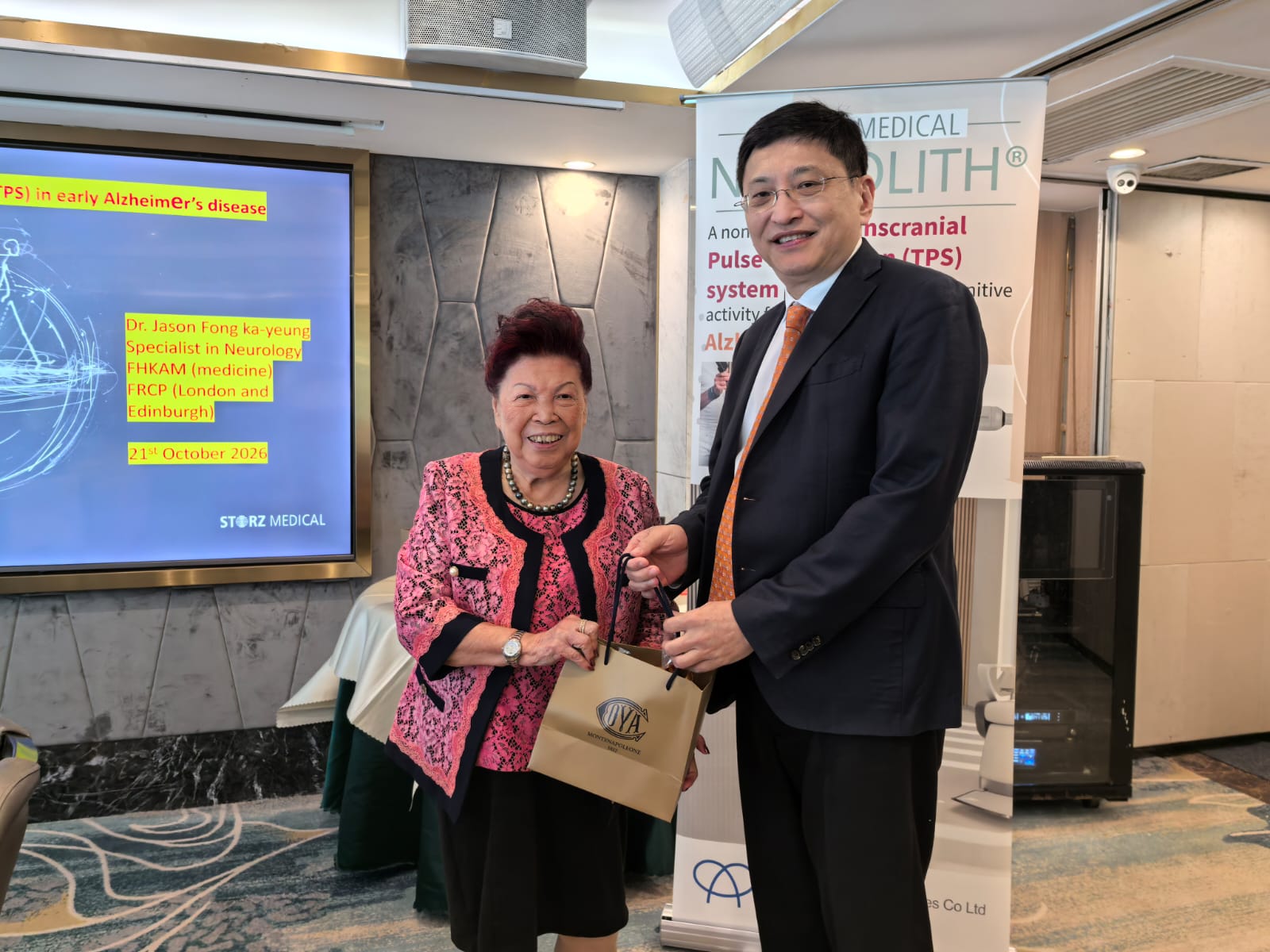
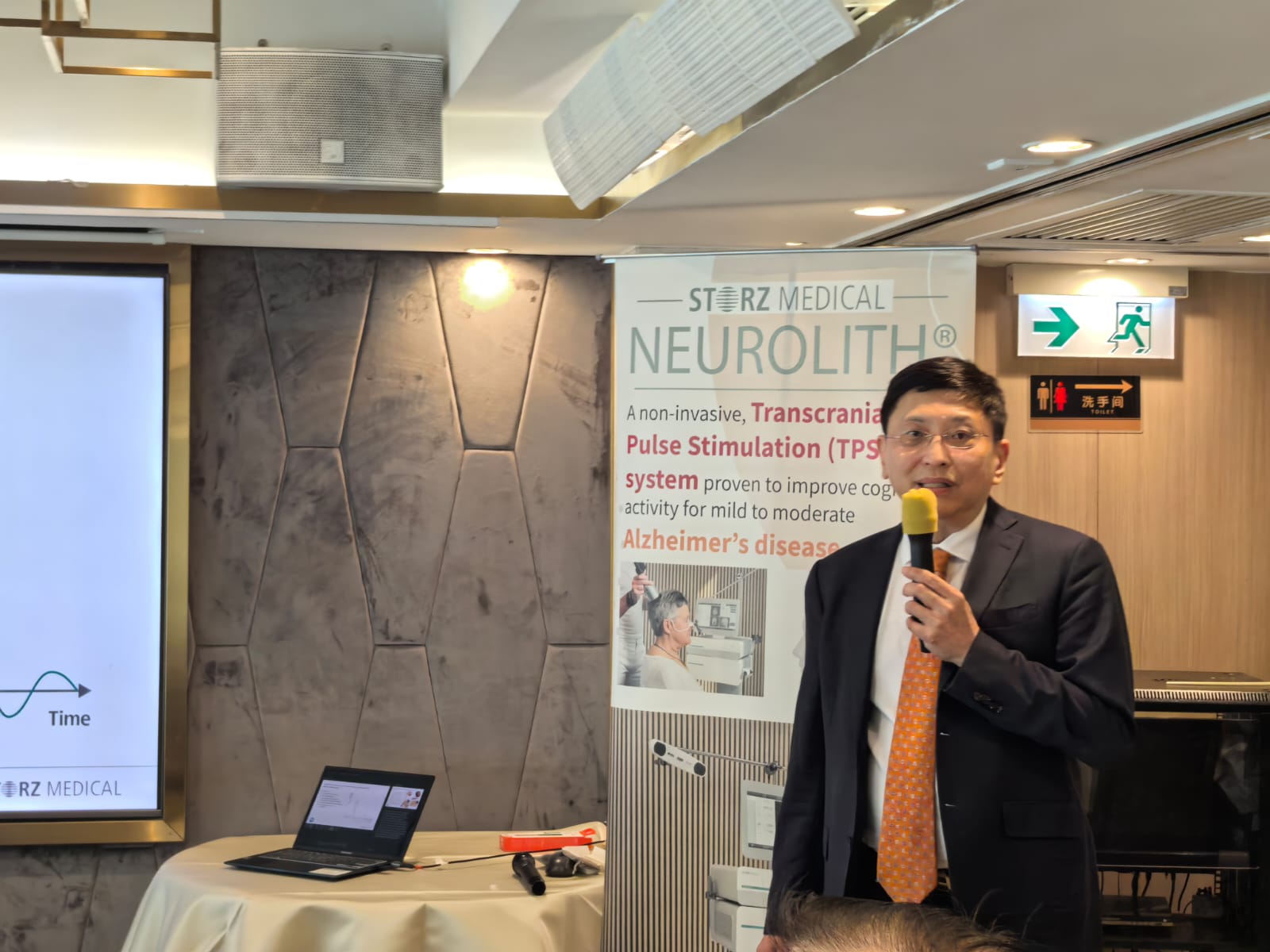
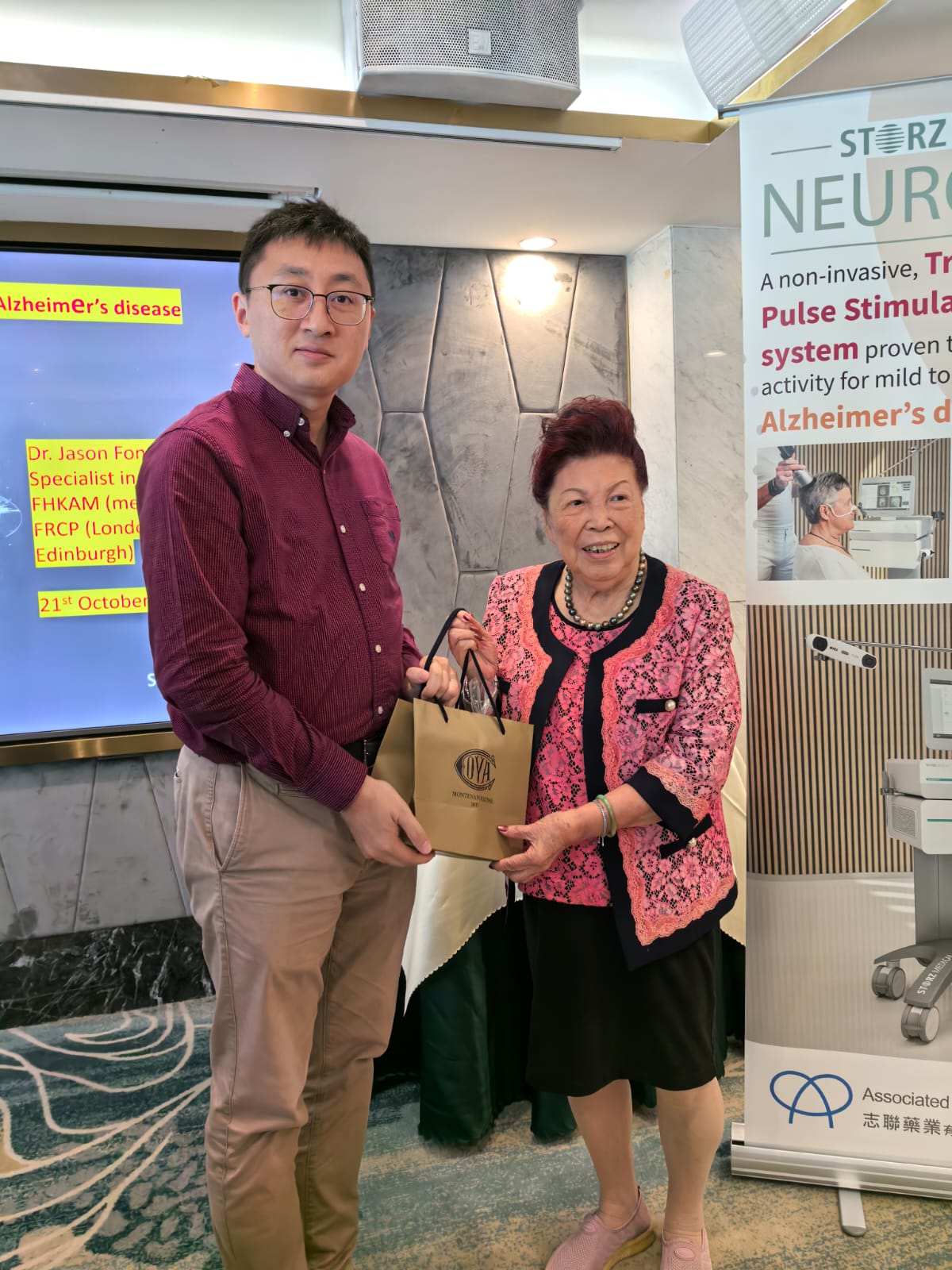
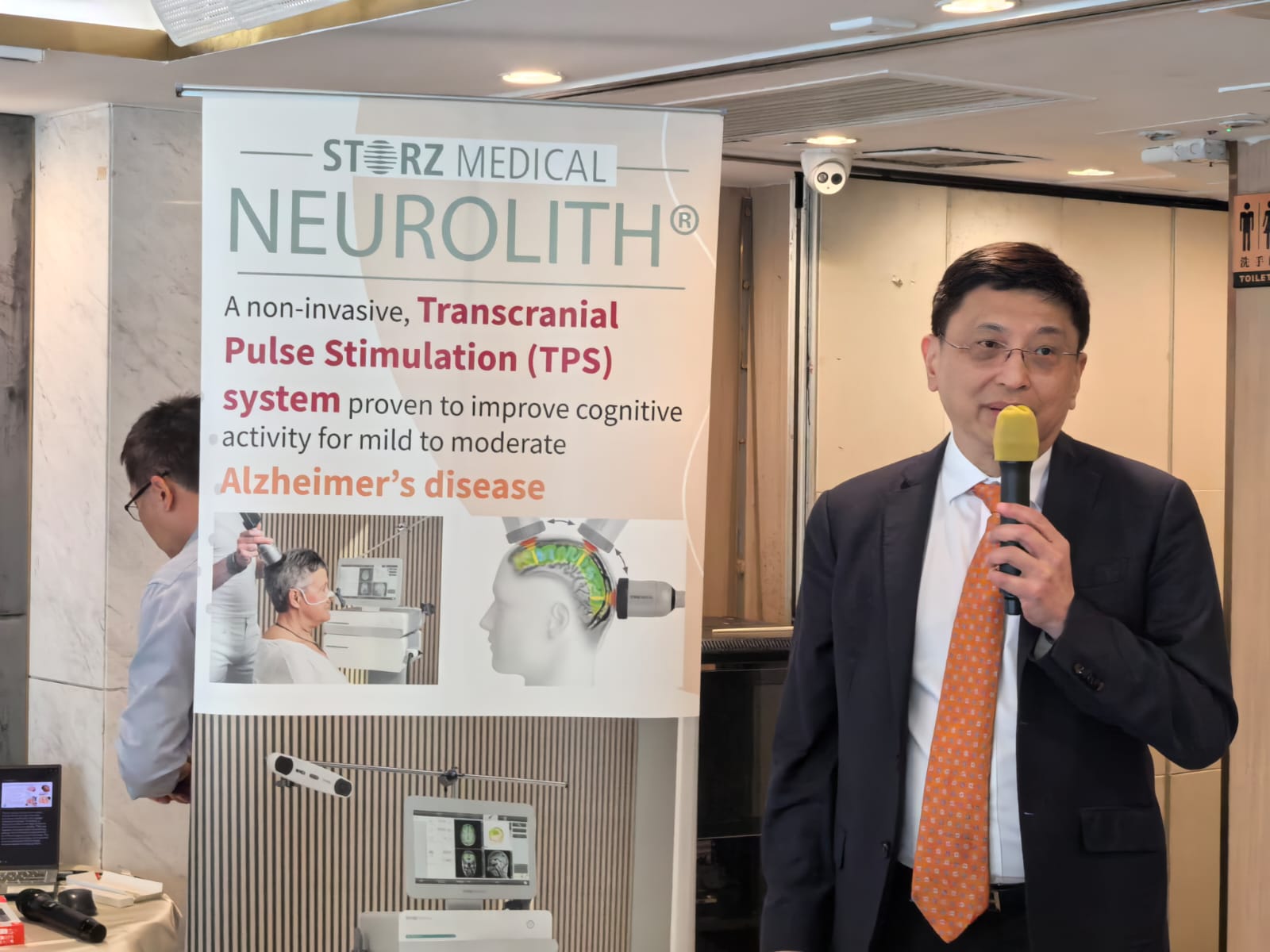

Dr. Jason, Ka-Yeung FONG
MBBS (HK), FRCP (Edin), FRCP (Lond), FHKCP, FHKAM (Medicine)
Specialist in Neurology