Meeting Outcome
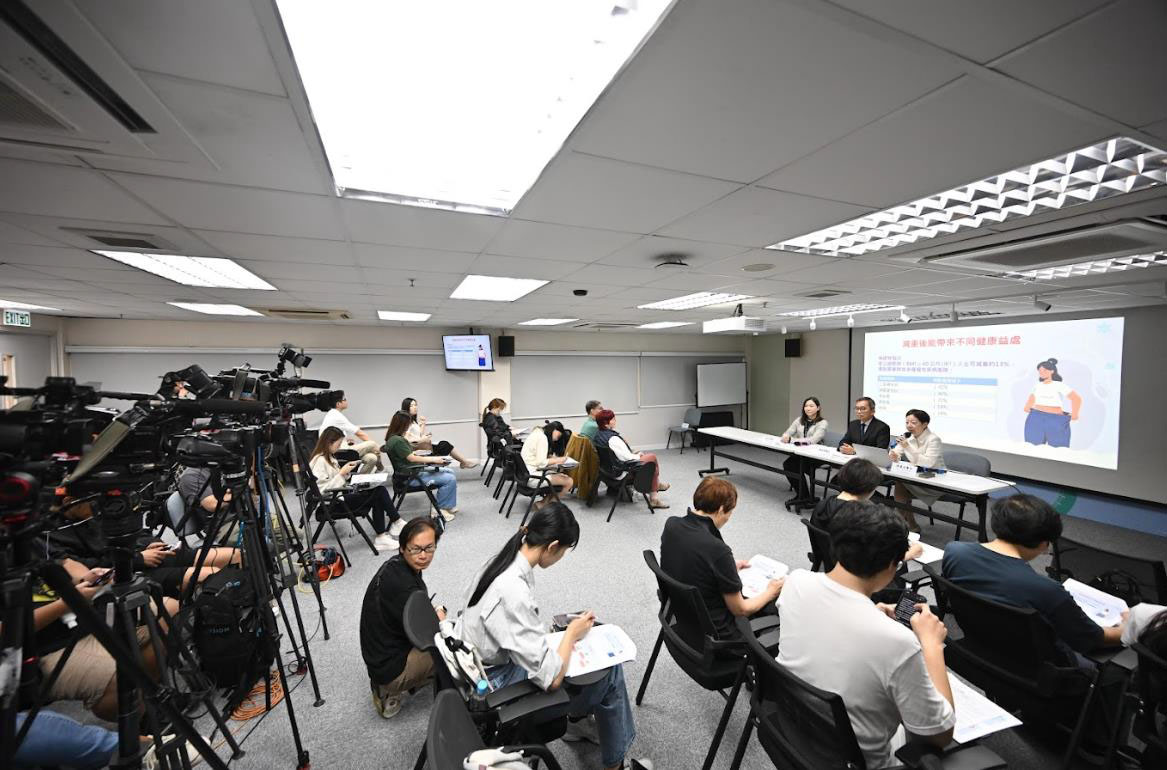
A summary of the meeting is as follows:
Evolving Epidemiology and Serotype Distribution in Hong Kong
Participants noted that invasive pneumococcal disease (IPD) incidence has been trending back towards pre-pandemic levels following relaxation of COVID-19 public health measures. Serotype 3 remains a leading contributor to disease burden, while serotypes 15A and 23A are increasingly observed, but not yet covered by currently available pneumococcal conjugate vaccines (PCVs). The burden of adult pneumonia remains substantial despite long-standing paediatric immunization programmes. Differences in serotype distribution between paediatric and adult populations were highlighted, reinforcing the need for adult-focused vaccination strategies supported by ongoing surveillance and real-world evidence. The discussion underscored the importance of aligning pneumococcal vaccination strategies with local epidemiology.
Persistent Vulnerability in High-Risk Populations
Adults with chronic medical conditions remain particularly vulnerable to pneumococcal disease and severe outcomes. Individuals with diabetes, cardiovascular disease, chronic respiratory disease, kidney disease, and multiple comorbidities were considered at particularly elevated risk of hospitalization and complications. The discussion emphasized that age alone may not adequately capture risk, as younger adults with significant comorbidities can have risk comparable to or even exceeding that of older adults. A risk-based approach prioritizing individuals with multiple chronic conditions was therefore viewed as essential to improving prevention.
Low Vaccine Uptake Remains a Key Challenge
Pneumococcal vaccine uptake among at-risk adults in Hong Kong was considered suboptimal, commonly estimated at below 40%. Barriers identified included affordability, limited access, low awareness of pneumococcal disease risk, vaccine hesitancy, operational constraints in clinical settings, and uncertainty regarding eligibility criteria. Improving uptake was viewed as requiring coordinated actions across clinical practice and broader health-system stakeholders. Clearer guidance, strong healthcare professional recommendations, supportive policy measures, and patient education were identified as important drivers of improved vaccination coverage.
Future Directions for Pneumococcal Disease Prevention
Strengthening pneumococcal prevention in Hong Kong was viewed as requiring a coordinated, evidence-based approach. Continued epidemiologic surveillance, real-world evidence generation, and local cost-effectiveness analyses were identified as important to inform policy decisions. Practical levers to increase uptake included expanding subsidies, strengthening primary care engagement, involving nurses and pharmacists in vaccine delivery, and improving public awareness. Simplifying vaccination pathways and improving identification of high-risk patients were also highlighted as priorities to support timely protection.
Conclusion
The discussion reinforced that pneumococcal disease remains a meaningful public health concern in Hong Kong and that prevention strategies should reflect evolving epidemiology and clinical risk. High-risk groups continue to experience substantial vulnerability, adult vaccine uptake remains low, and broader serotype coverage is increasingly relevant. Next-generation vaccines may play a meaningful role in addressing current gaps and supporting a more effective, epidemiology-driven pneumococcal prevention strategy in Hong Kong.