
慢性腎病篩查計劃
Chronic Kidney Disease Screening Programme
免費慢性腎臟病檢測日 健康知識知多啲
Patients with hypertension and diabetes mellitus are at increased risk of developing chronic kidney disease (CKD). Primary prevention of CKD involves identifying modifiable risk factors and targeting healthcare resources towards individuals at the highest risk of developing CKD.
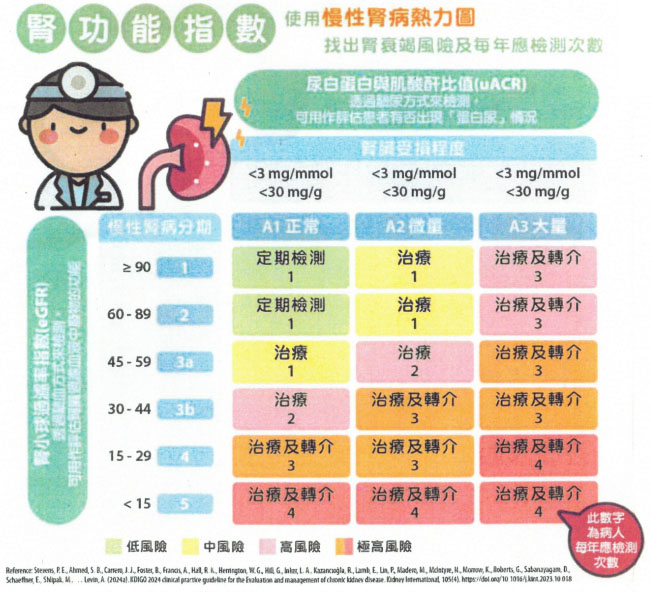
Tools for detecting CKD are now identified as: first, detection of albuminuria, followed by measurement of the urine albumin-to-creatinine ratio (UACR), which is considered an early marker of kidney damage and can occur before a reduction in eGFR.
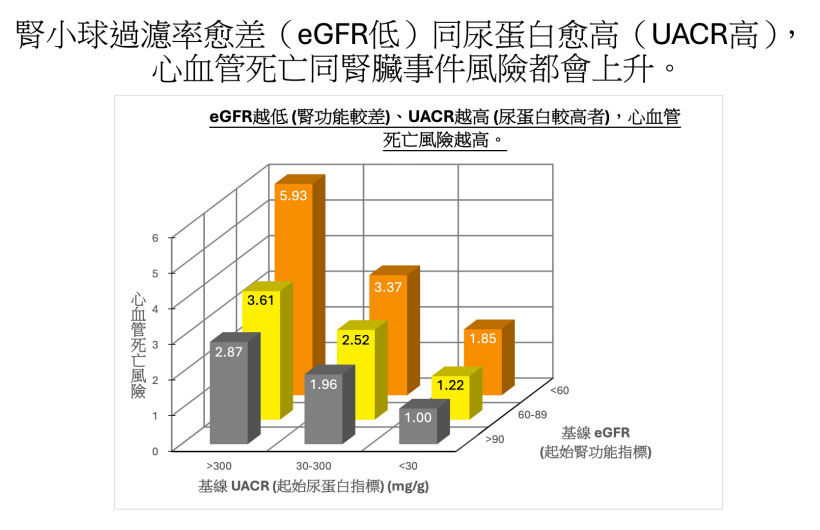
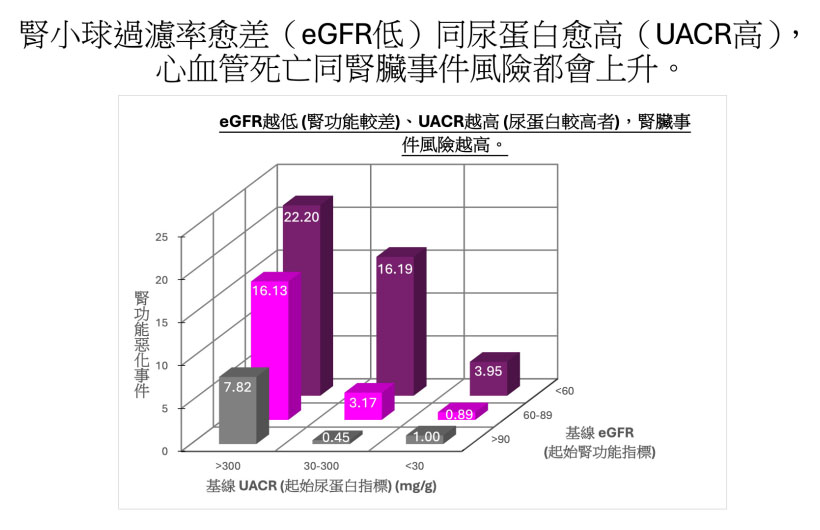
It has also been shown that the worse the UACR and the eGFR, the higher the mortality from heart disease and kidney disease.
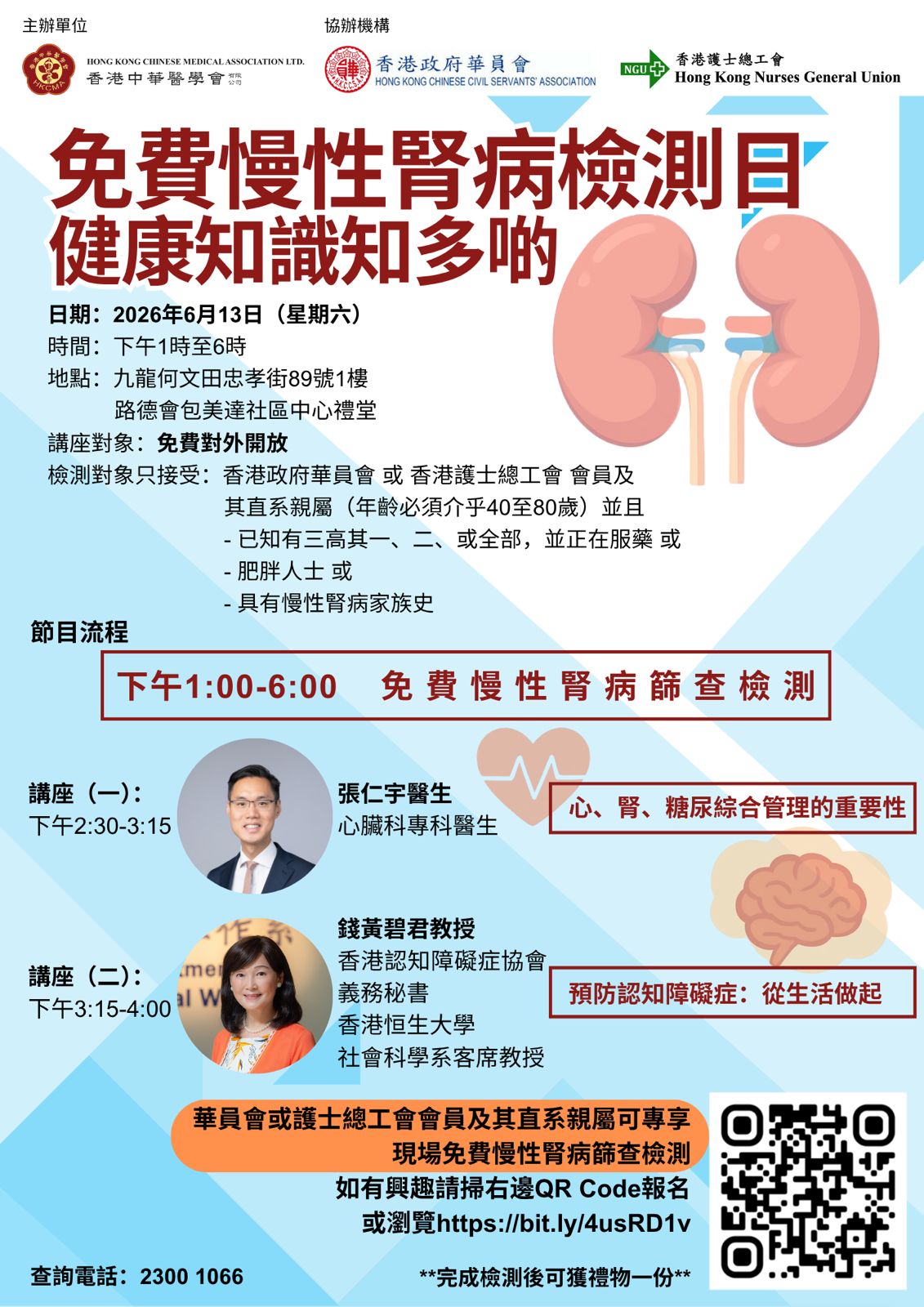
The Hong Kong Chinese Medical Association (HKCMA) has endeavoured to undertake a community screening project which targets patient groups at risk of developing CKD, including those suffering from hypertension, diabetes, hypercholesterolemia, cardiovascular disease, and obesity, or those with a family history of kidney disease. When these patients are identified in the community, they are invited to participate in our CKD screening project. There can be two ways to identify these individuals: in the clinics of family doctors or specialists, or those respond to our invitation to undergo screening in community centres. HKCMA has so far offered such screening through 20 private clinics, and at community events in Homantin, Mei Foo and Tseung Kwan O.
The workflow involves checking the subject’s urine at initial screening. If the urine is positive for albumin, the subject is then given a voucher which would enable them to get a free screening test at the designated laboratory, and this test is two-fold, involving a urine test (UACR) and a blood test to assess the eGFR.
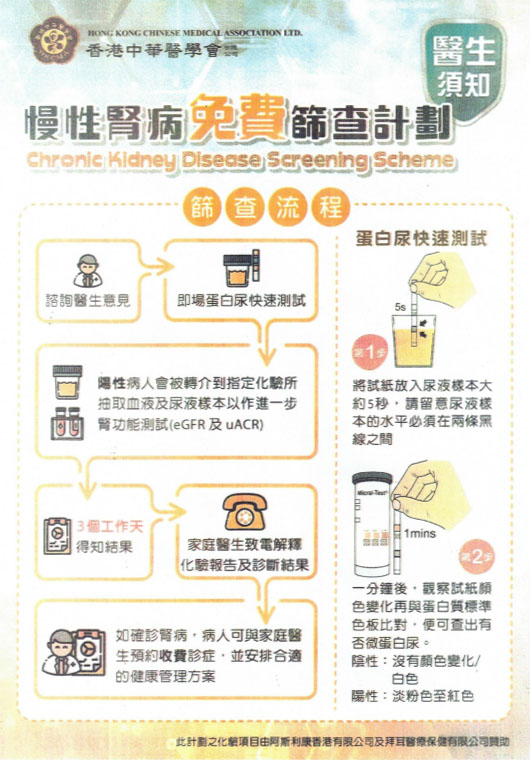
The findings will allow stratification of an individual’s risk of chronic kidney disease. Low-risk patients do not need any medical intervention, while high-risk patients would require specialist attention and medical intervention, which may be able to lengthen the time to dialysis by 10 years.
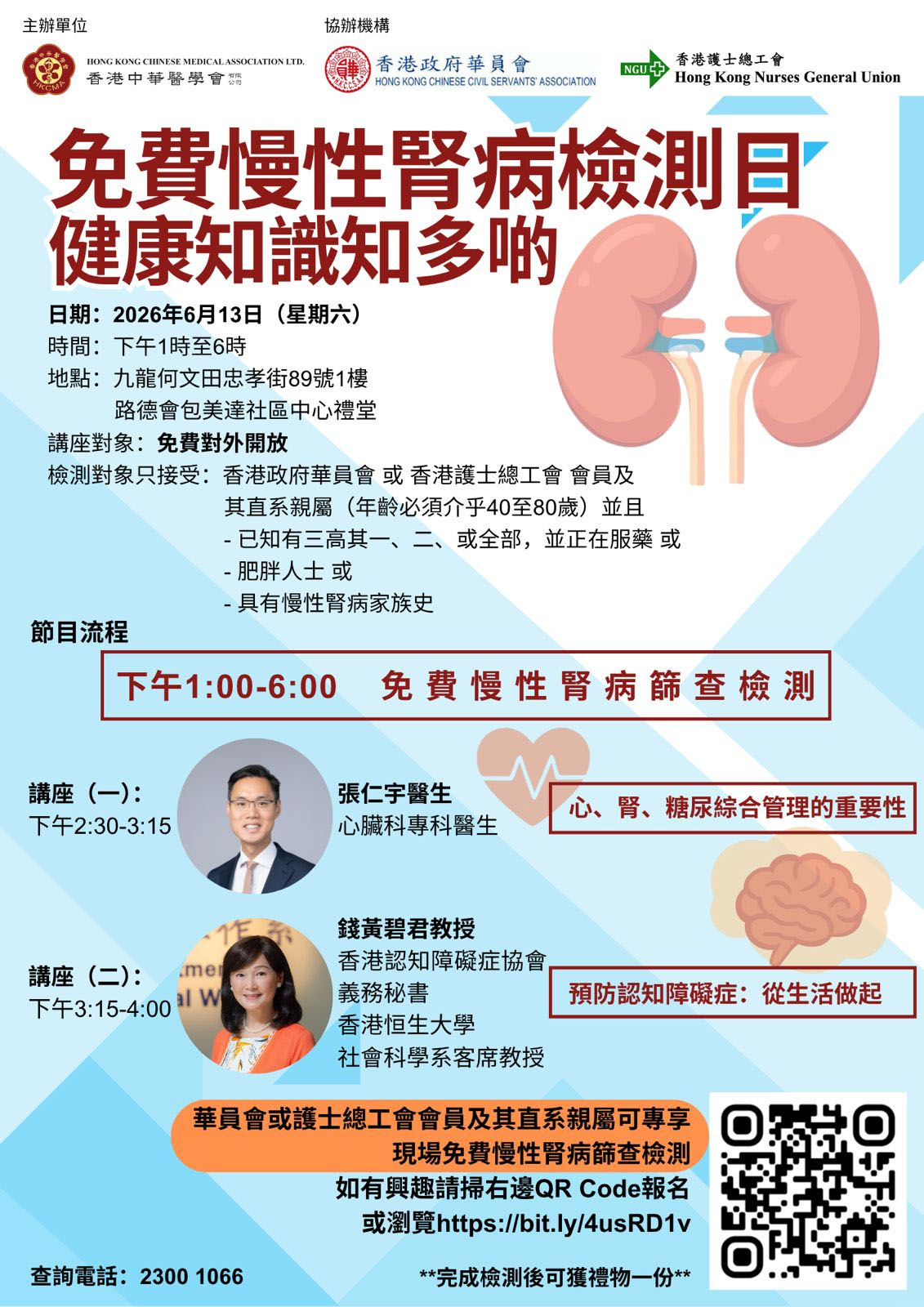
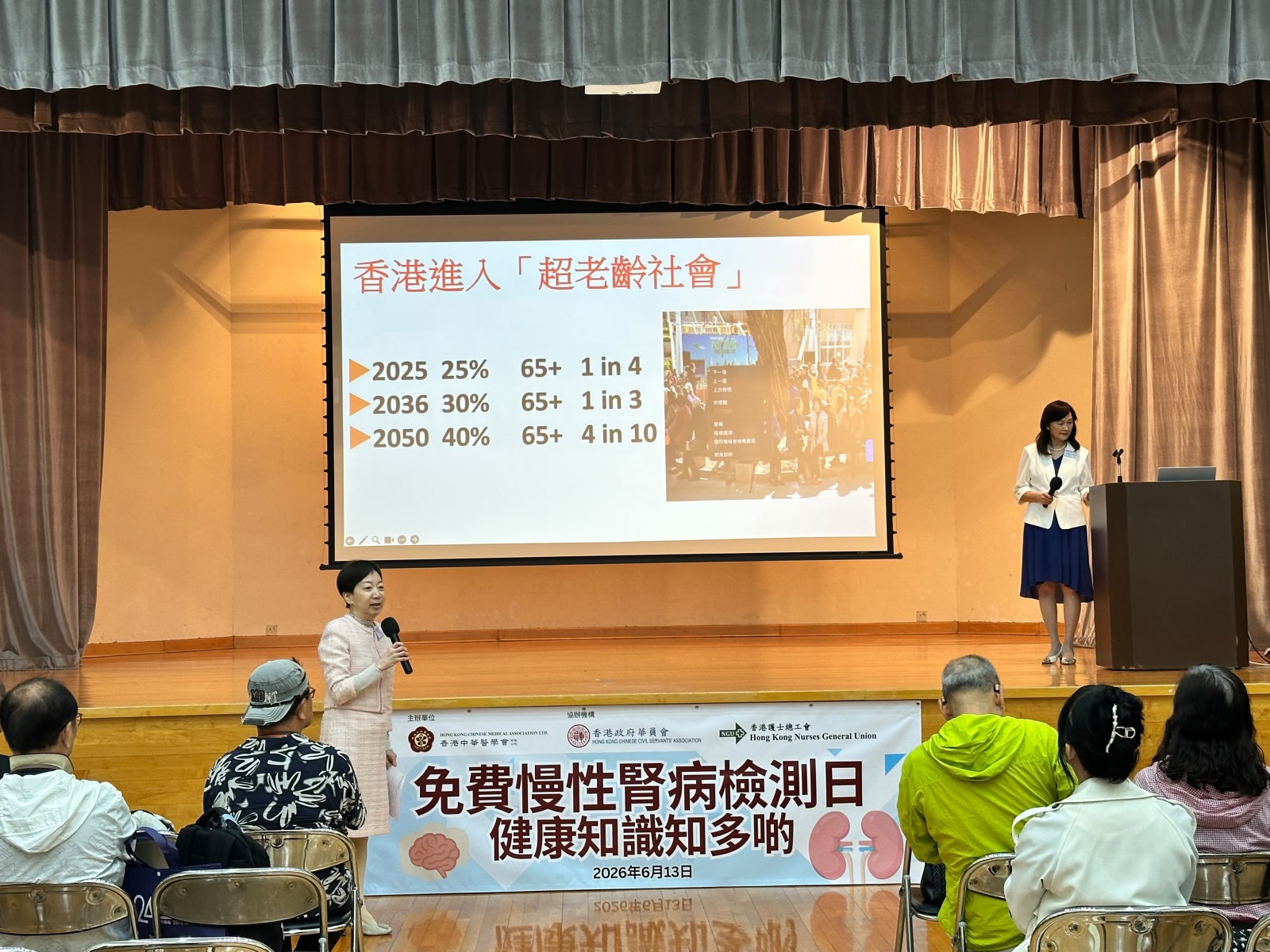
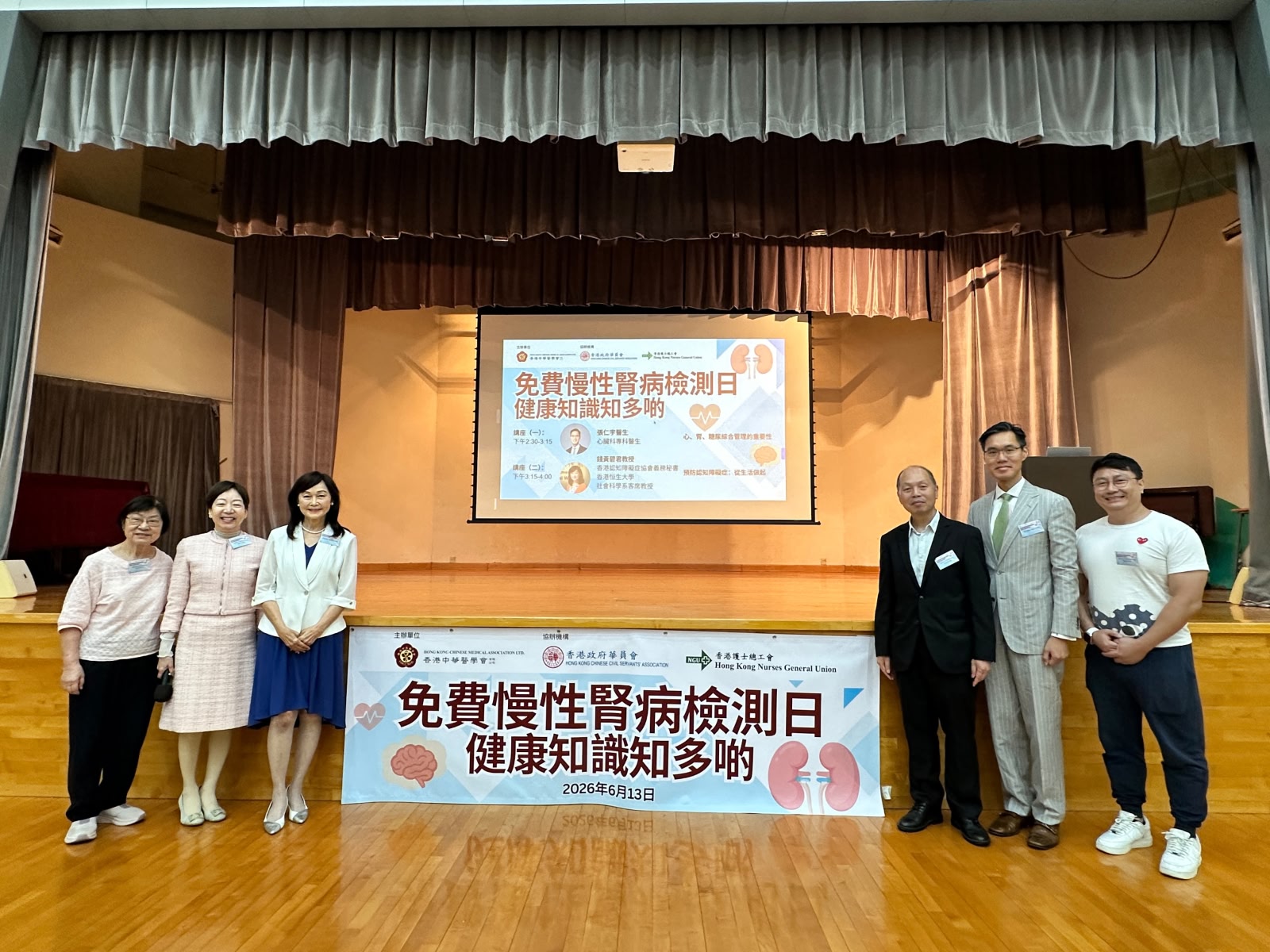
Homantin 13 June 2026
(spearheaded by Dr Jane Chan)
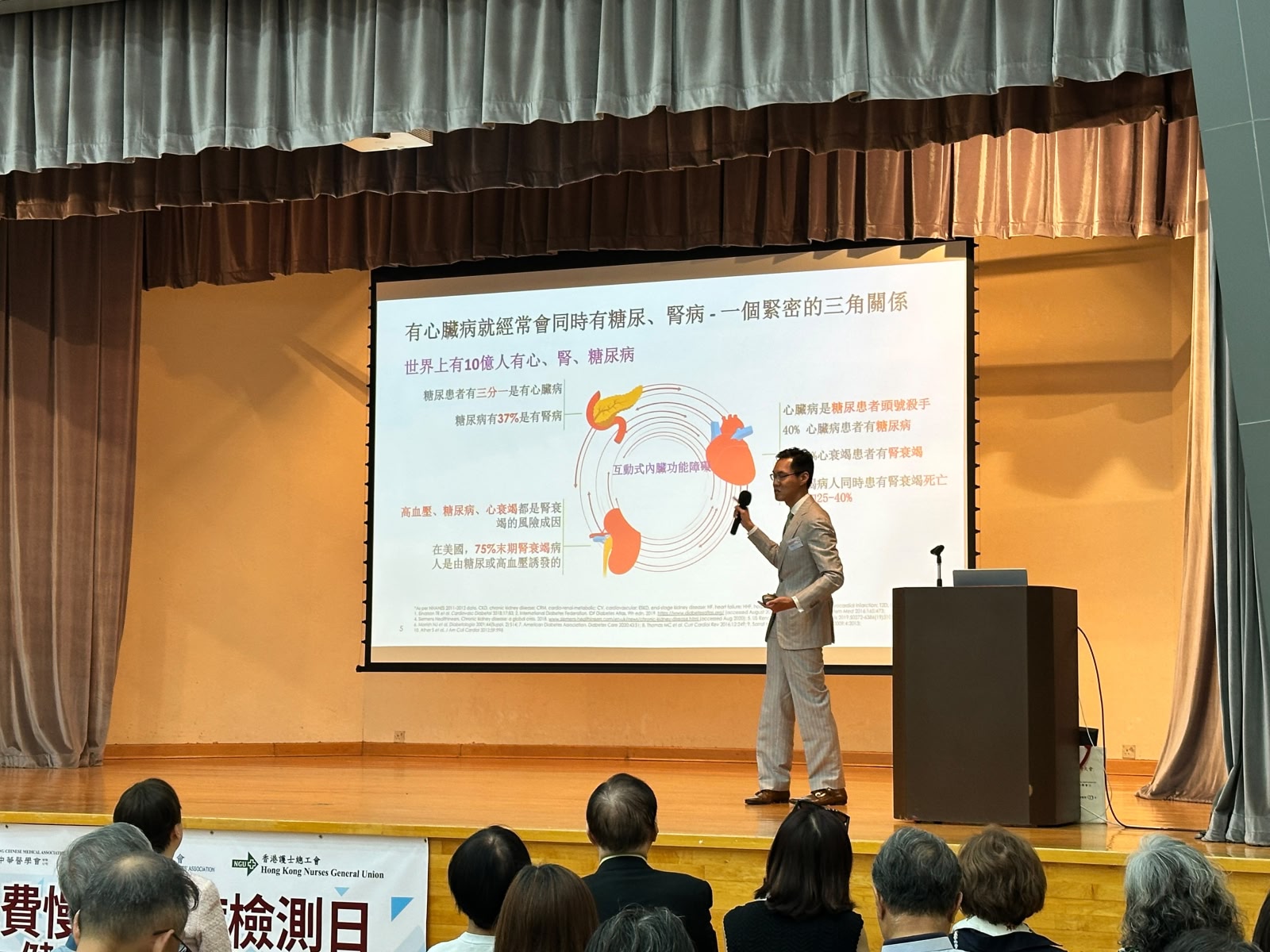
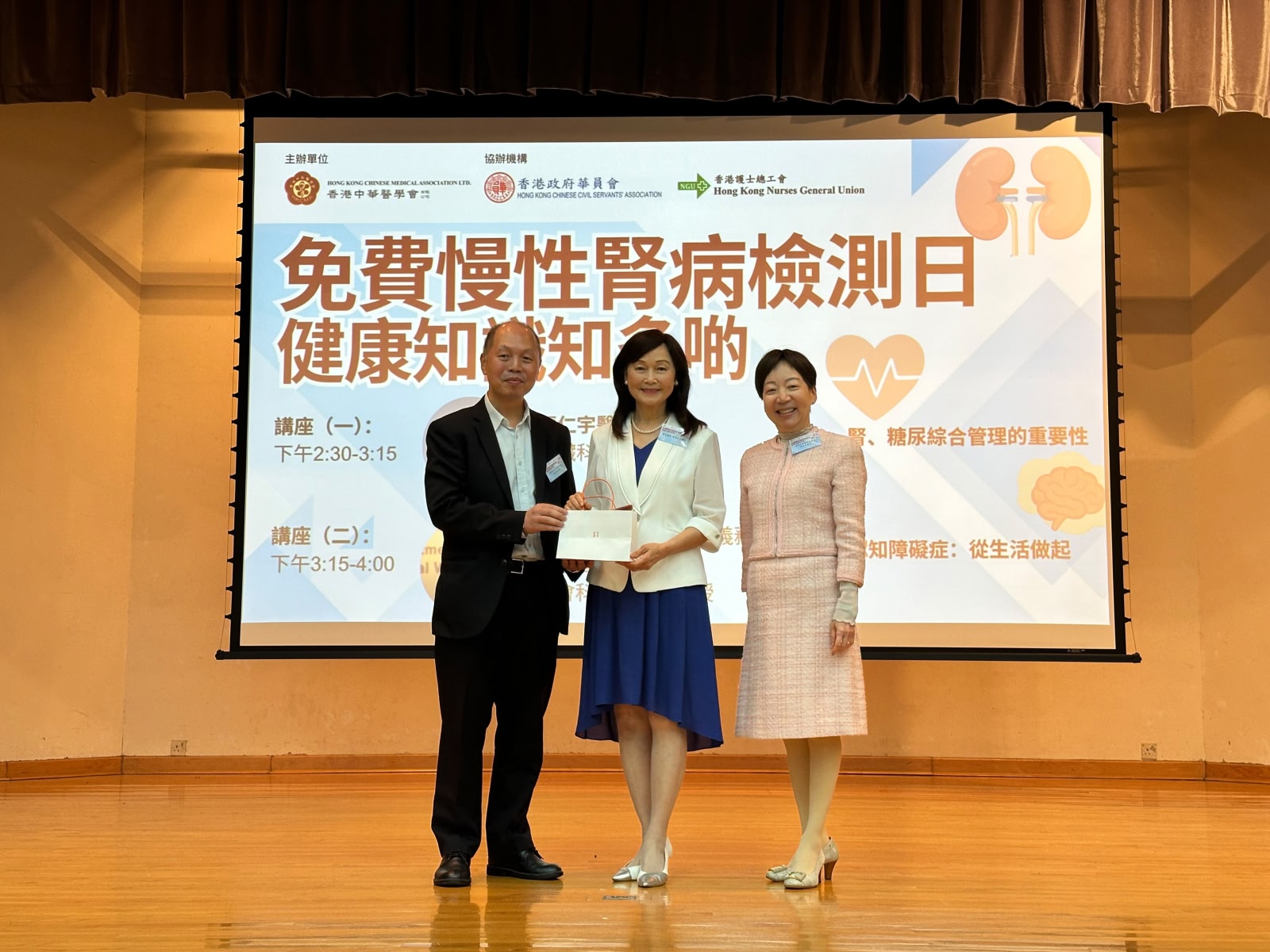



Mei Foo 28 September 2025
(spearheaded by Dr Adrian Cheong)


Tseung Kwan O 21 September 2025
(spearheaded by Dr Jane Chan)