A Memorable Day Trip to
Lai Chi Wo, Ap Chau, and Kat O
Dr Christopher KM Hui 許建名醫生
9 February 2025
香港中華醫學會 (HKCMA) 的成員在蛇年展開了一次令人難忘的旅程。在香港繁忙的都會生活中,這次船遊為大家提供了一個放鬆心情、聯絡感情的機會。沿途的三地各具特色,每個目的地都充滿了探索的樂趣。
首先,荔枝窩的客家村莊有著傳統的建築和豐富的歷史。鴨洲是一個以天然美景聞名的小島。大家可以享受島上的新鮮海鮮,體驗道地的風味。最後,我們去了吉澳了解當地的漁民文化,並在廟宇前,為香港中華醫學會未來的一年祈福。
整天的旅途中,歡聲笑語不斷。大家不僅欣賞了沿途的自然風光,也深化了彼此的友誼。
On the crisp morning of Sunday, February 9, 2025, 70 doctors, family members, and friends from the Hong Kong Chinese Medical Association (HKCMA) gathered at the pier, eagerly anticipating a day of exploration, camaraderie, and cultural immersion.
Organized by the HKCMA’s Social Committee, the day-long boat trip to the picturesque villages of Lai Chi Wo, Ap Chau, and Kat O promised a blend of natural beauty, historical discovery, and traditional cuisine. Led by Dr. Jane Chan, President of HKCMA, and Dr. Ho Chung Ping, Chair of the Social Committee, our group set off with high spirits, ready to create lasting memories.
Departure and Journey to Lai Chi Wo
The day began with a scenic boat ride from Hong Kong’s bustling cityscape to the tranquil northeastern New Territories. As the boat glided across the shimmering waters, the group enjoyed breathtaking views of the coastline and the surrounding islands under perfect conditions and clear blue skies. Highlights along the coast introduced members of the group to special archaeological rock formations with interesting local names such as “Crouching Tiger”, “Ghost Hand” and “The Face of Humanity”.
Plover Cove Reservoir: Civil Engineering Marvel
As the boat passed the Plover Cove Reservoir, the group learned about this keystone infrastructure project up-close, from views of the main dam. Plover Cove is the largest freshwater reservoir in Hong Kong. It was designed to solve the acute water shortages of a rapidly growing population throughout the early 1960’s. It is the world’s first freshwater coastal lake constructed entirely from an arm of the ocean.
Construction work commenced in 1960 and was completed in 1968, providing a capacity of 170 million m³. Work on raising the height of the dams began in 1970. Upon completion in 1973, the reservoir capacity was increased to 230 million m³.
The group learned that there are a total of 64 drainage channels along the main dam of the reservoir, to safely manage circumstances of overflow or drainage.
Of its time, it was one of the most ambitious projects in the world. The main dam, which disconnected Plover Cove from the sea, was one of the largest in the world at the time of its construction.
Despite the construction cost of over $348 Million dollars, together with $60 Million dollars for the associated water distribution networks, it has long withstood the test of time to reflect Hong Kong’s ingenuity, resolve and focus in leveraging our common resources towards resolving essential societal problems of the era.
Reflections were made on how we should always retain our humble roots at heart to provide for the needs of everyone in society, much like we aimed to do then, today.
Lai Chi Wo: A Journey Through Time
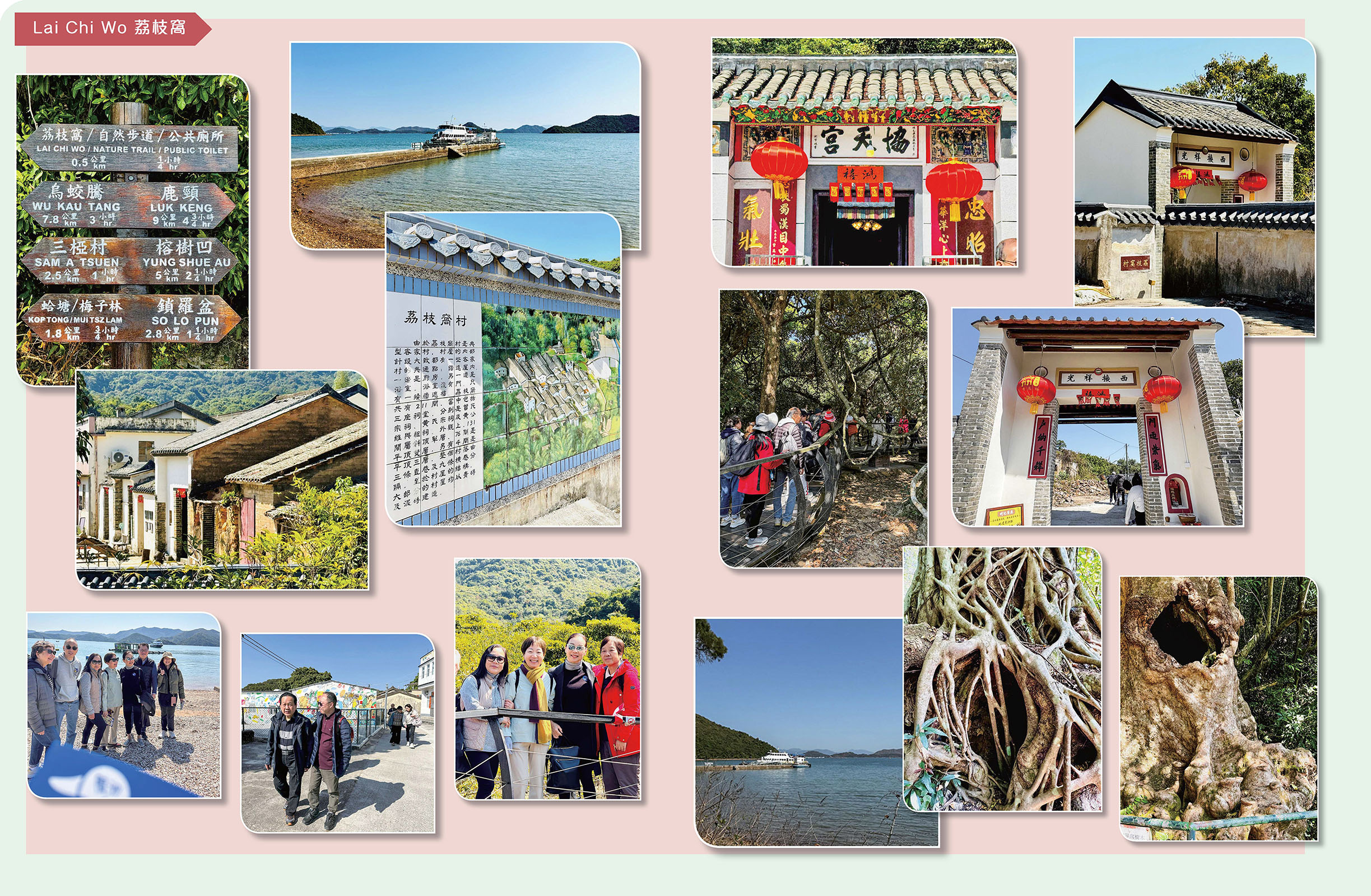
The first stop was Lai Chi Wo, a 400-year-old Hakka village renowned for its well-preserved traditional architecture and lush surroundings. Upon arrival, the group was greeted by the village’s serene ambiance and the sight of ancient Feng Shui woods, which are believed to protect the village and its inhabitants. A local guide shared fascinating stories about the village’s history, including its agricultural heritage and the significance of its Feng Shui layout and significant historical trees. The group strolled through the narrow pathways, admiring the old stone houses, ancestral halls, and terraced fields. Many participants were particularly captivated by the village’s harmonious coexistence with nature, a stark contrast to the urban environment they were accustomed to.
The atmosphere was lively, with laughter and conversation filling the air. Ms. Iris Hau, the Secretary of HKCMA, ensured that everyone was well-informed about the day’s itinerary, adding to the excitement and relaxed atmosphere.
Exploring Ap Chau: The Island of Ducks
The next destination was Ap Chau, affectionately known as “Duck Island” due to its unique rock formations that resemble a duck’s profile. This small island, part of the Hong Kong UNESCO Global Geopark, offered a starkly different landscape from Lai Chi Wo. The group was fascinated by the island’s geological wonders, including the iconic Duck Rock and the layered sedimentary rocks that tell the story of millions of years of Earth’s history. A guided walk along the island’s trails provided insights into its ecological significance and the challenges of preserving such a fragile environment.
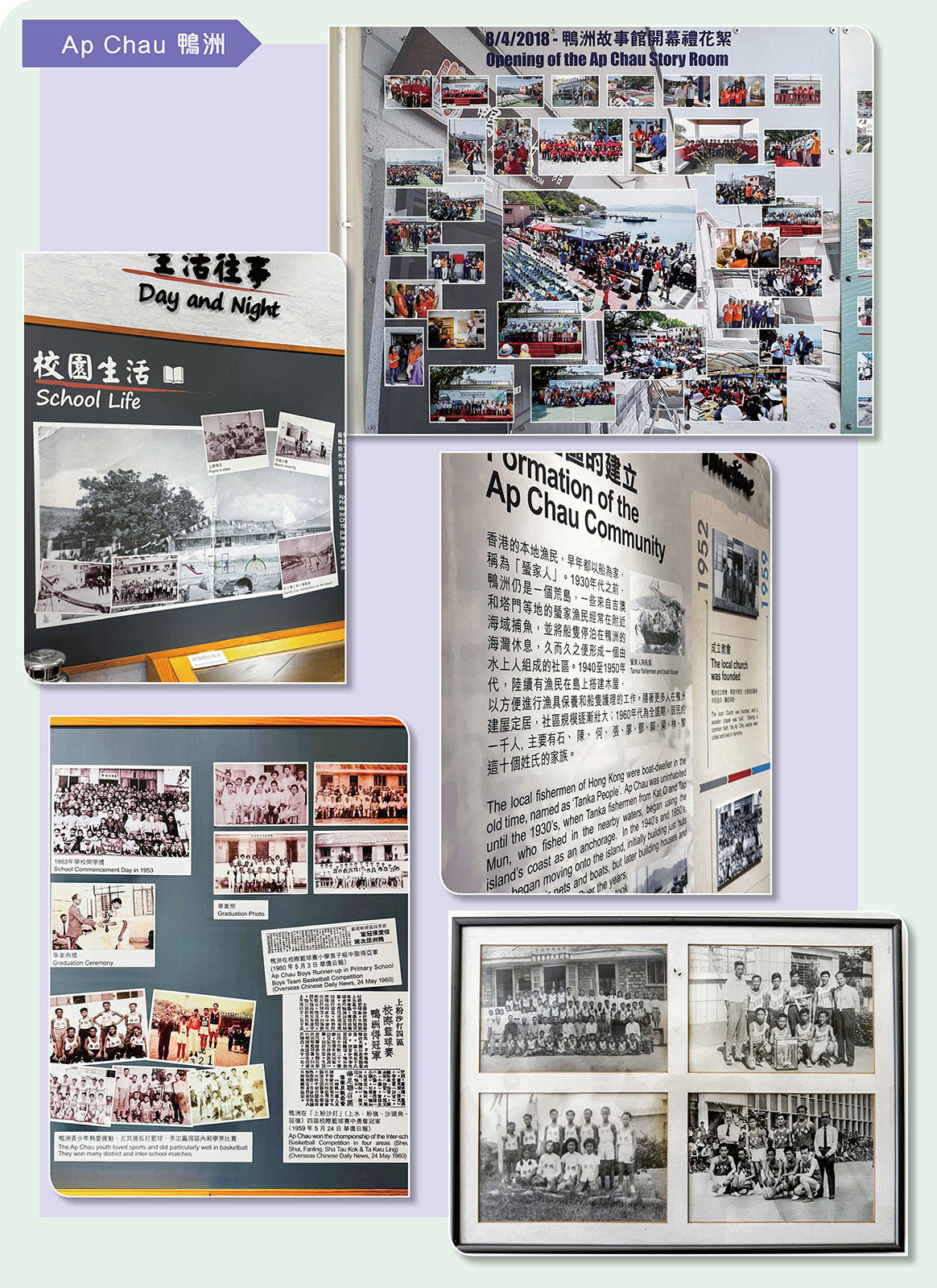
Participants also had the chance to interact with the local community, learning about the island’s history as a fishing village and its transformation into a popular eco-tourism destination. The visit to Ap Chau highlighted the importance of sustainable tourism and the need to protect Hong Kong’s natural heritage for future generations.
Traditional Lunch and Cultural Exchange
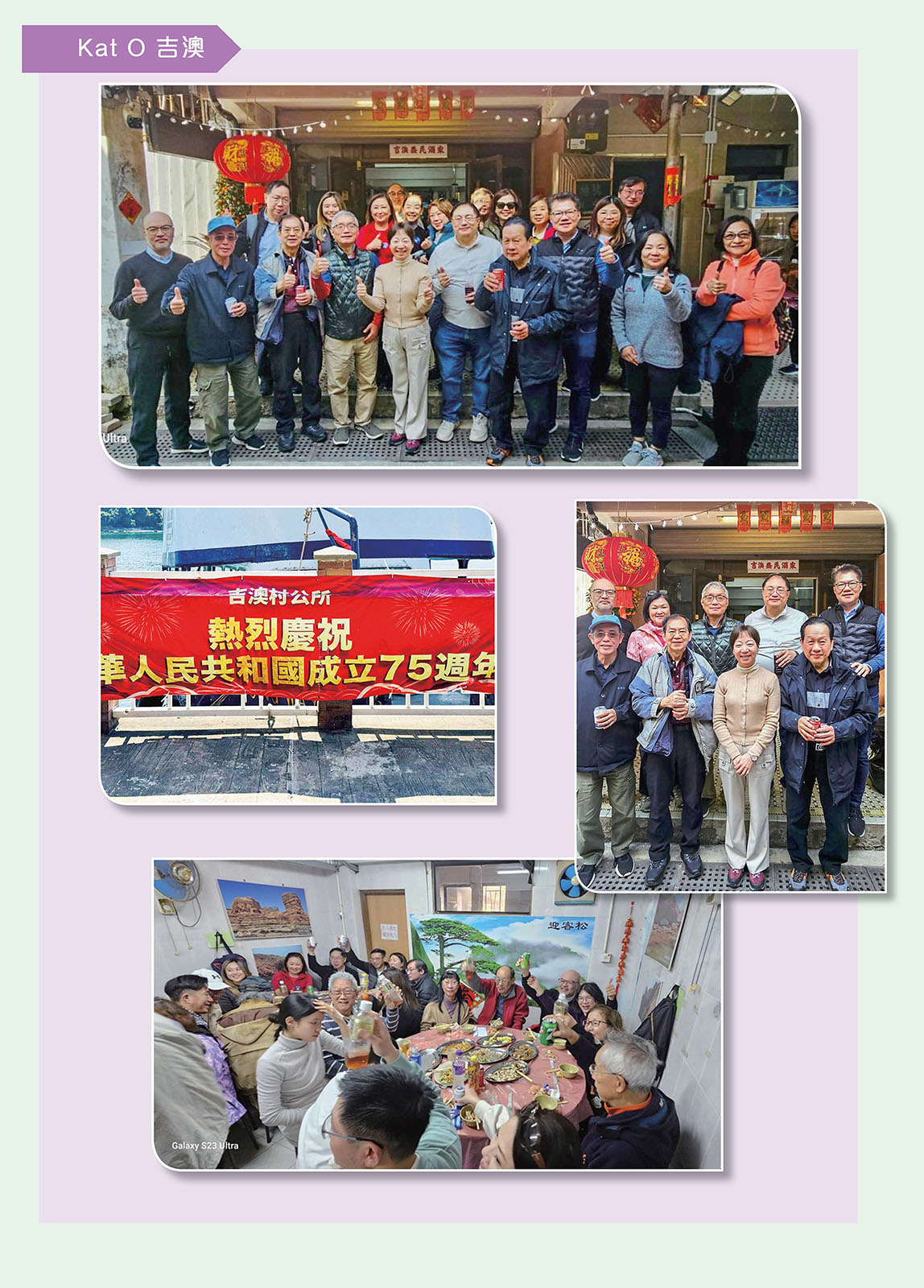
After the enriching tour of Ap Chau, the group returned to the boat to travel to the fishing village at Kat O for a traditional lunch prepared by local chefs. The meal featured an array of authentic Hakka dishes, including steamed fish, braised pork belly, stir-fried vegetables, and the iconic Hakka stuffed tofu and meatballs. The flavours were a delightful revelation for many, offering a taste of the region’s culinary heritage. Dr. Jane Chan expressed her gratitude to the organizers and chefs, emphasizing the importance of preserving and celebrating Hong Kong’s local cultural traditions. The lunch was not only a feast for the palate but also an opportunity for the participants to bond over shared experiences and stories.
Kat O “Lucky Harbour”: A Glimpse into Fishing Village Life
After lunch, there was a tour of Kat O, also known as Lucky Harbour, a place steeped in maritime history and cultural richness. The group was welcomed by the sight of traditional houses and fishing boats bobbing in the harbour. A local elder shared captivating tales of the island’s past, including its role as a thriving fishing community and its unique customs and festivals. The visit to the Kat O Tin Hau Temple, dedicated to the Goddess of the Sea, was a highlight for many. The temple’s intricate architecture and spiritual significance offered a glimpse into the islanders’ deep connection to the sea.
As the sun began to set, casting a golden glow over the island, the group gathered for a group photo to commemorate the day. The serene beauty of Kat O provided a perfect backdrop for reflection on the day’s experiences and the bonds formed among the participants.
Reflections and Gratitude
As the boat made its way back to Hong Kong, the atmosphere was filled with a sense of contentment and gratitude. Dr. Jane Chan and Dr. Ho Chung Ping took a moment to thank everyone for their participation and enthusiasm, emphasizing the importance of such outings in fostering a strong sense of community within the HKCMA.
Dr. Jane Chan made introductions of the HKCMA Board and Council Members. Ms. Iris Hau also expressed her appreciation for the hard work of the guides and organizing committee, whose efforts ensured the day’s success.
The wheels of time never stop. Time, is indeed the greatest gift of all. This trip to Lai Chi Wo, Ap Chau, and Kat O was more than just a day out; it was a deeply meaningful celebration of Hong Kong’s rich cultural and natural heritage. It allowed us to briefly seek back and see clearly the wheels of time from whence we came.
For the doctors, family members, and friends of the HKCMA, it was a reminder of the importance of stepping away from the demands of their profession to connect with nature, history, and each other. The shared highlights of the day—from the ancient trees of Lai Chi Wo, the geological wonders of Ap Chau, and the maritime traditions of Kat O all offered valuable lessons about the interplay between nature and health.
As the group disembarked, there was a unanimous sentiment that this day would be remembered as one of the most enjoyable and meaningful outings organized by the HKCMA. The success of the event was a testament to the dedication of the organizers and the spirit of togetherness that defines the strength and determination of the HKCMA community. Until the next adventure, the memories of this happy day will continue to inspire and unite its members, reminding them of the enduring connections between culture, nature, and the healing arts!