慶祝中華醫學會成立110周年
22 October 2025
-
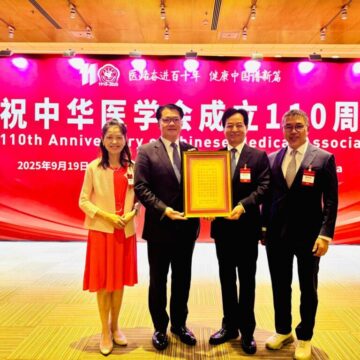
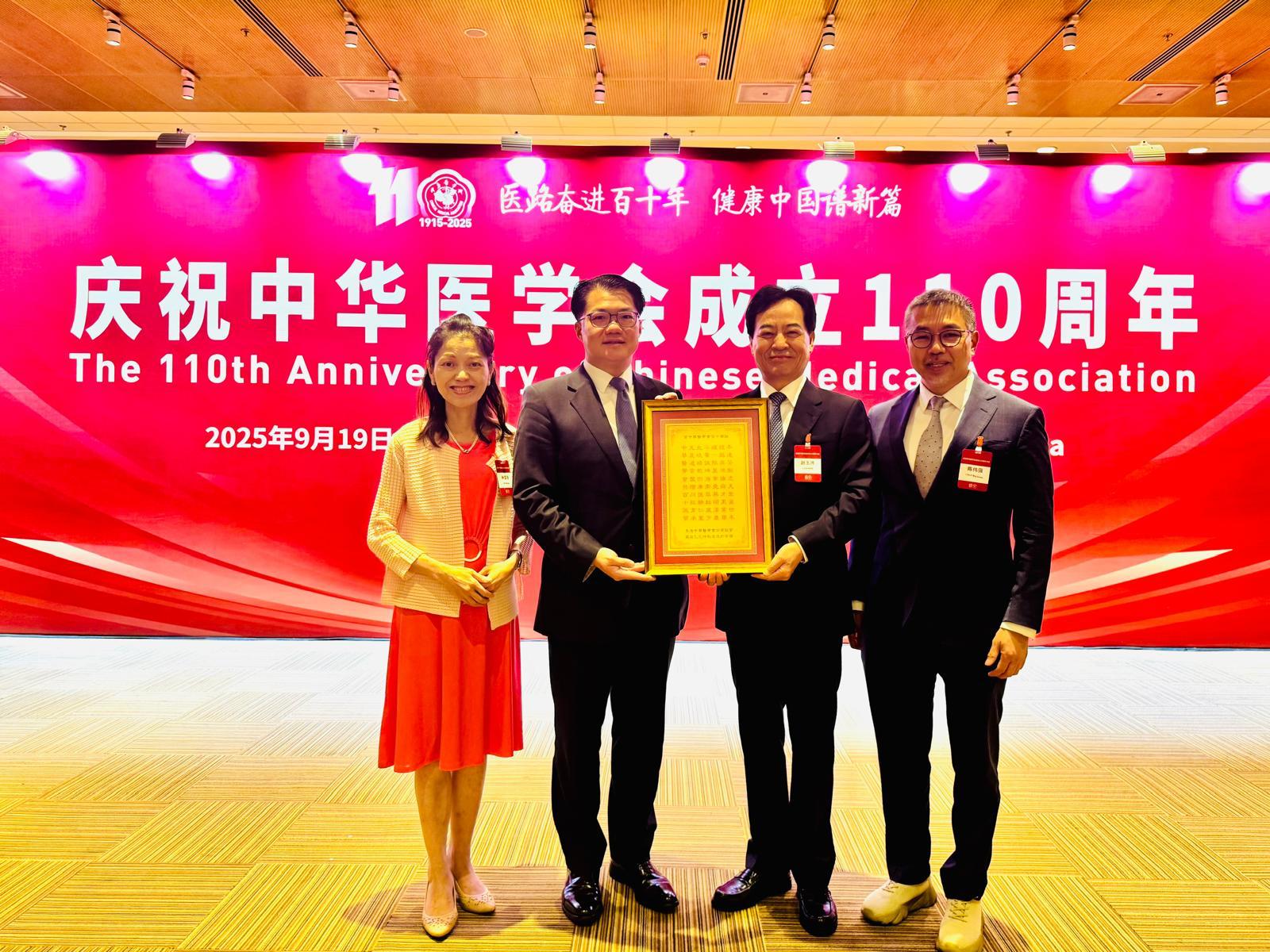
- 副會長許建名醫生、理事林美玲醫生及陳偉強醫生向中華醫學會會長趙玉沛院士致送紀念品,恭賀中華醫學會成立110周年
-
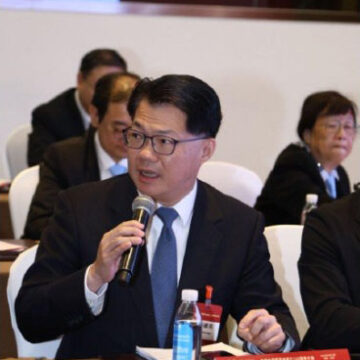
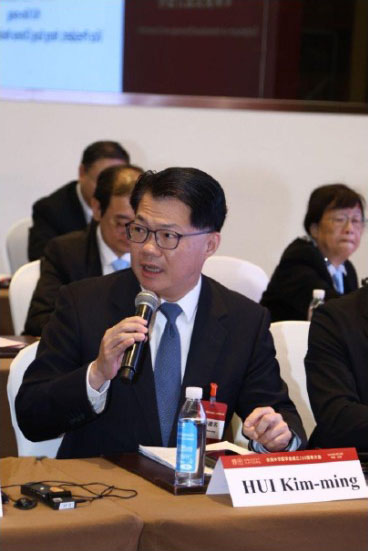
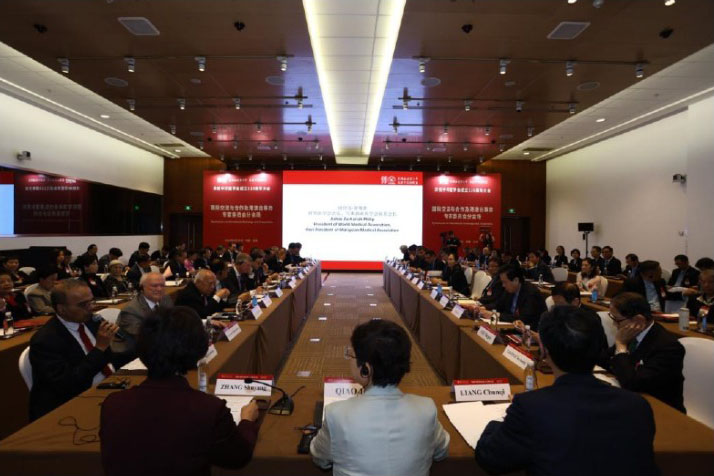
- 副會長許建名醫生於國際交流與合作及港澳台事務專家委員會分會場上發言
-
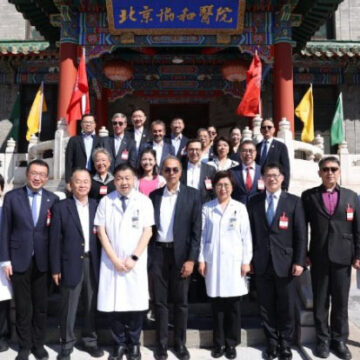
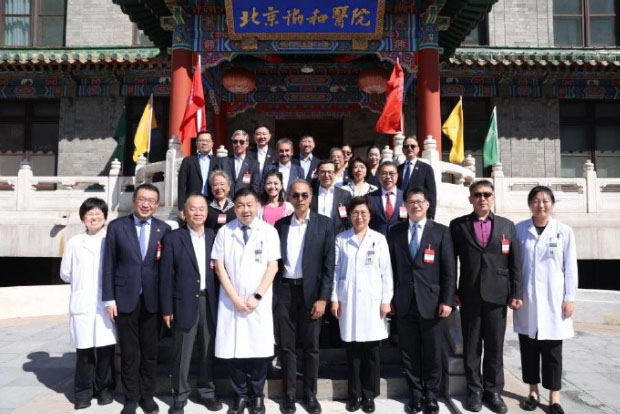
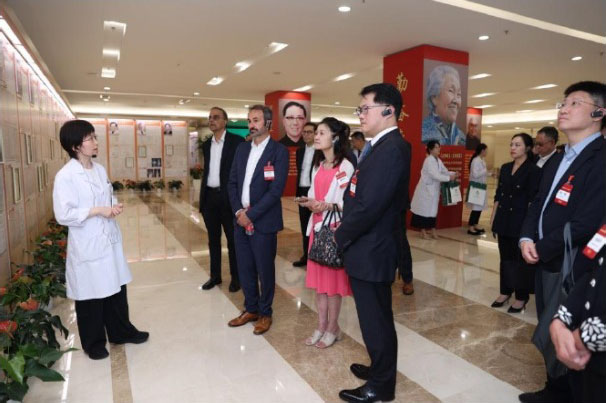
- 參觀北京協和醫院
-
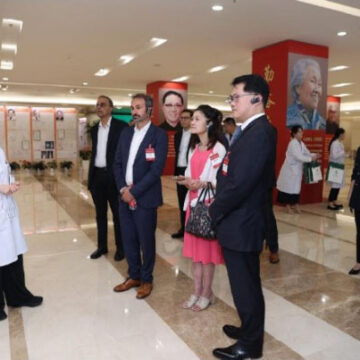
- 參觀北京協和醫院
-
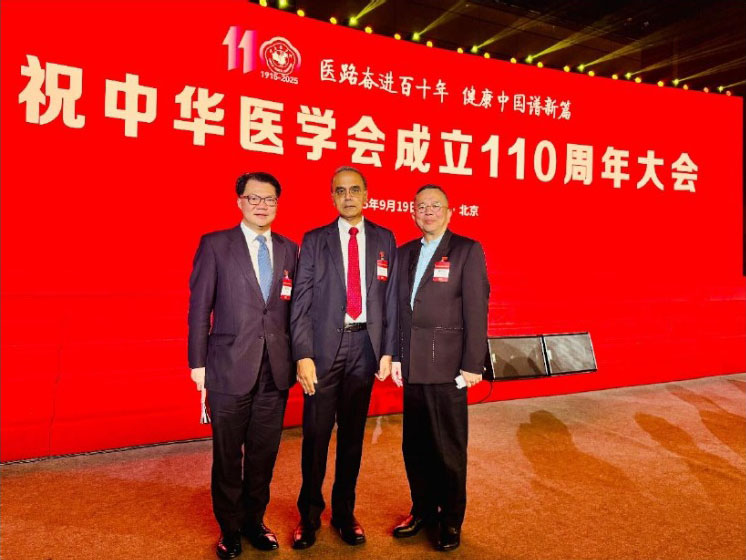
- 慶祝中華醫學會成立110周年大會(由左至右):副會長許建名醫生、Dr. Ashok Philip, President of the World Medical Assocation、蔡明宗醫生
-
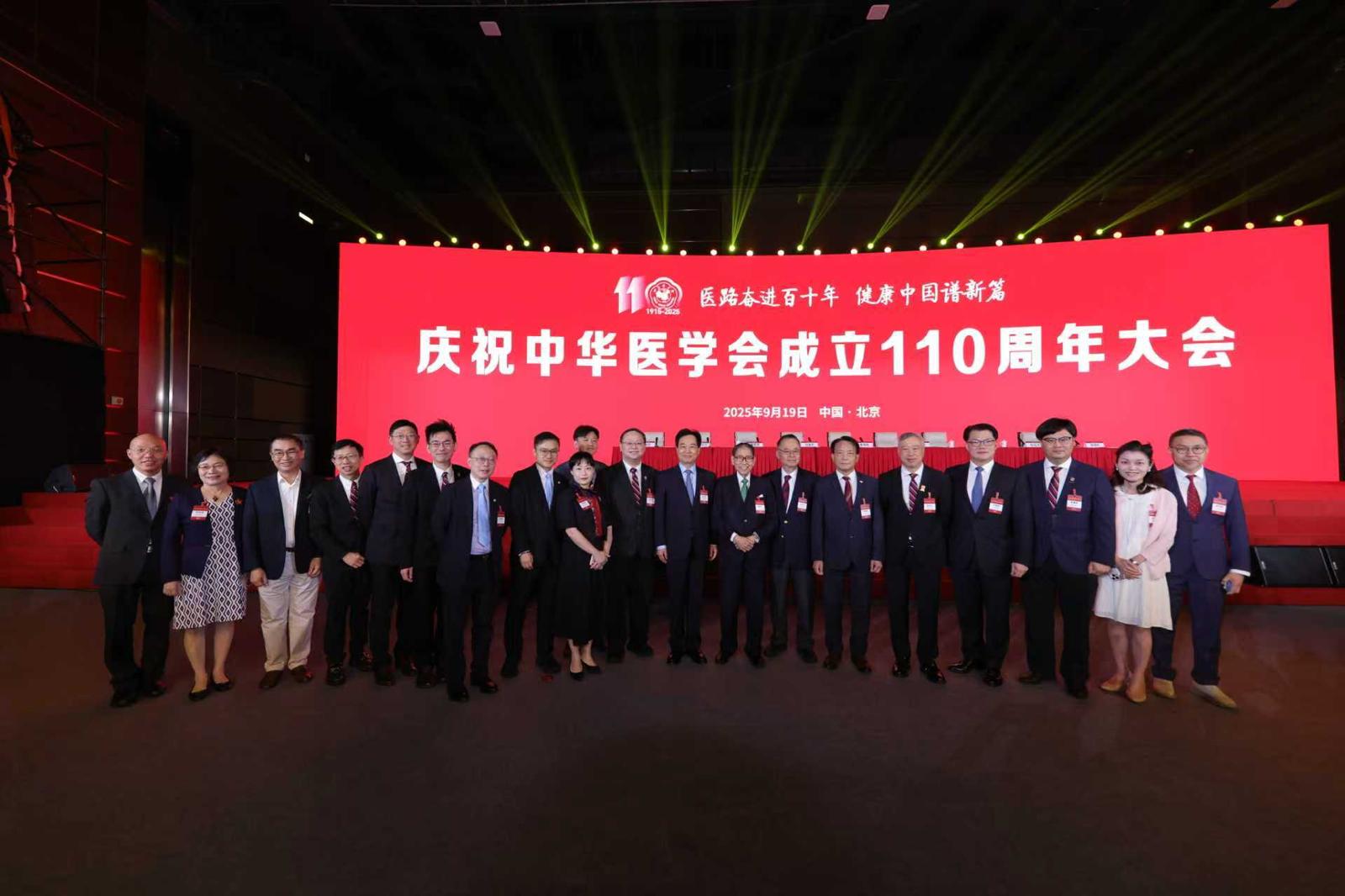
- 中華醫學會會長趙玉沛院士與來賓合影留念
-
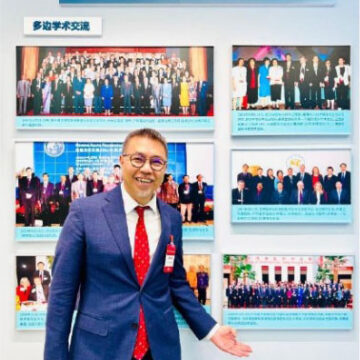
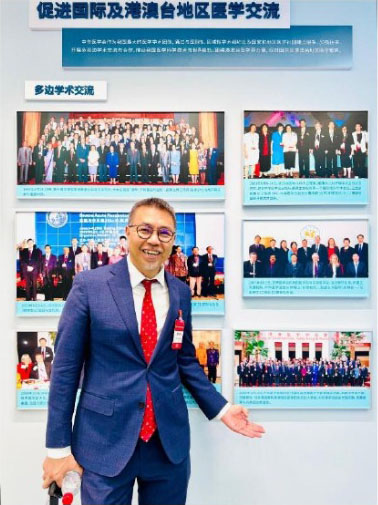
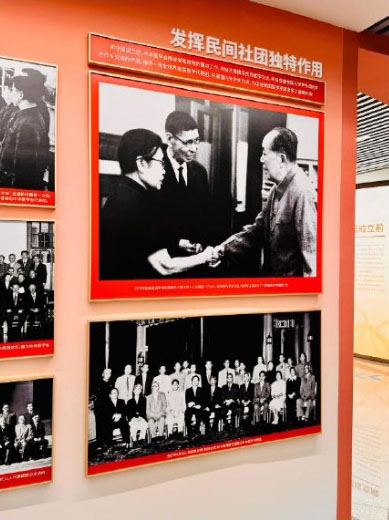
- 理事陳偉強醫生參觀中華醫學會會史展
-
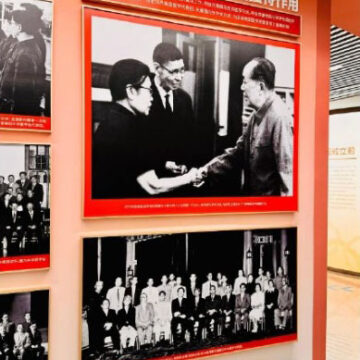
- 中華醫學會會史展
-
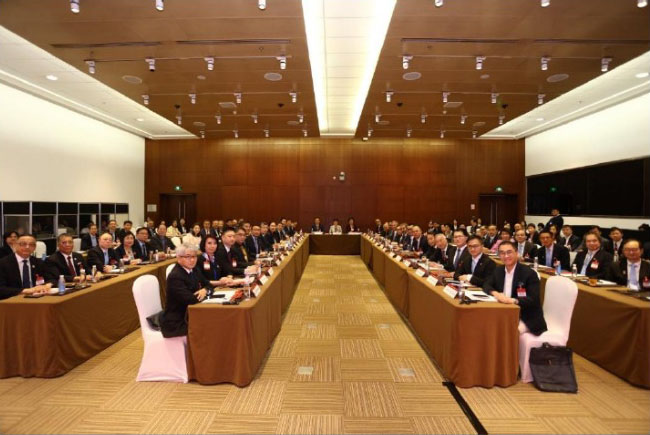
- 與會代表在國際交流與合作及港澳台事務專家委員會分會場合影留念
-
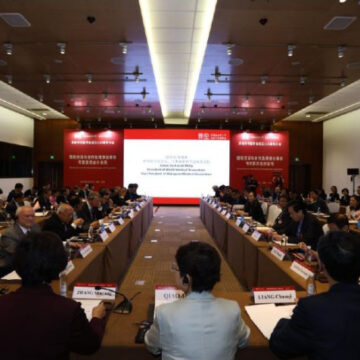
- 國際交流與合作及港澳台事務專家委員會分會場會議
去年香港中華醫學會的三位代表去北京道賀和參與慶祝中華醫學會成立110周年。代表本會的有副會長許建明醫生、及理事林美玲醫生和陳偉強醫生。許會長回來後撰寫的文章如下:
Celebrating 110 Years of Excellence: The Chinese Medical Association’s Milestone Anniversary in Beijing
By Dr. Ashok Philip, President of the World Medical Association (WMA); Dr. Christopher K.M. Hui, Vice-President of the Hong Kong Chinese Medical Association (HKCMA); and Dr. Jane C.K. Chan, President of the HKCMA
It was an honour and a privilege for us to join the esteemed members, guests, and leaders of the Chinese Medical Association (CMA) in Beijing for the grand celebration of its 110th Anniversary on 19th September 2025. As representatives of the global medical community and close partners in advancing healthcare, we extend our heartfelt and heartiest congratulations to the CMA on this remarkable milestone. Over 110 years, the CMA has navigated through countless challenges of history and time—enduring wars, political shifts, rapid societal transformations, and health crises—emerging stronger, more resilient, and ever committed to the health and well-being of the Chinese people and beyond.
The event, held in the vibrant heart of Beijing, brought together medical professionals from across the world to reflect on the CMA’s storied legacy. Founded in 1915, the CMA has been a pillar of medical progress in China, fostering innovation, education, and ethical practice amid evolving landscapes. We were particularly moved by the warm welcome from Dr. Zhao Yupei, President of the CMA, whose leadership exemplifies the association’s dedication to excellence.
From our perspective, the ties between the WMA, CMA, and HKCMA run deep and enduring. The CMA was among the founding members of the WMA in 1947, and our shared history has been marked by collaborative efforts, even through vigorous debates. As Dr. Philip noted in his address during the celebrations, these discussions have always been grounded in civil discourse, strengthening our collective resolve.
The CMA’s over 700,000-strong membership has enriched the WMA, providing invaluable insights into long-term strategic thinking—a hallmark of Chinese culture that emphasises patience and dialogue over haste. Indeed, as an ancient Chinese proverb reminds us, “He who strikes the first blow admits he has lost the argument.” This commitment to thoughtful exchange is a model we all aspire to emulate.
We were impressed by the visible transformations in Beijing since previous visits, from the state-of-the-art airport to the impressive improvements in air quality, which underscore China’s massive strides in public health. The CMA’s role in advancing universal health coverage, now accessible to over 97% of China’s vast population, is a testament to its impact on equitable healthcare delivery. In Hong Kong, the HKCMA draws inspiration from such achievements, working in tandem with regional and global bodies to address shared challenges like climate change, artificial intelligence in medicine, and ethical policymaking.
A key highlight of the celebrations was the alignment of the CMA’s work with China’s visionary “Healthy China 2030” initiative, launched in 2016 as a national blueprint to elevate public health as a cornerstone of sustainable development. This ambitious plan has emphasised promoting healthy lifestyles, optimizing health services, improving health security, building a healthy environment, and developing health industries. It has included many key actions such as health education promotion, mental health support, tobacco control, and enhancing physical activity to combat non-communicable diseases (NCDs). By focusing on prevention over treatment, equitable access, and healthcare system transformation, Healthy China 2030 aims to reduce NCD deaths significantly and ensure comprehensive well-being for all citizens.
The CMA has been instrumental in driving these themes forward, from capacity-building in primary care to integrating innovative technologies, demonstrating how physician-led efforts can turn policy visions into tangible health outcomes.
Looking further ahead, the anniversary discussions inspired visions of a “Healthy World 2050.” This concept envisions a global framework to ensure nutritious, sustainable food systems for a projected 8.6 billion people, mitigate climate impacts, advance healthy longevity through education and economic growth, and build resilient healthcare systems all across the world, to avert climate-driven health catastrophes and address emerging threats like pandemics and aging populations. Initiatives like these will help to emphasise and consolidate post-COVID investments in health equity, innovation, and cross-border collaboration.
The CMA’s leadership in Healthy China 2030 positions it as a vital partner in shaping this global vision, fostering international partnerships that promote preventive health, sustainable diets, climate-resilient infrastructure, and equitable access for the benefit of humanity.
As physicians and leaders, we reaffirm our strongest belief in the correct drivers—that a healthcare system can only be led most effectively by the correct team of experienced physician-leaders. These individuals should lead the way, much as expert drivers lead the team in a Formula 1 race. We cannot at this critical juncture permit for those who are prone to hyperbole, inadequacy, inaction, over-reach, or presumption, to drive or access such a specialised, delicately-balanced, and complex healthcare vehicle—one that is so critical to all stakeholders in society.
Doctors must double-down to help guide policymakers to ensure that innovations serve individual patients effectively, not just theoretically. Needless to say, given witness to the many myriad of problems in the world’s public health systems, it is important to do so in a financially sustainable manner. The WMA’s expertise and policies in these ethical considerations align closely with the CMA’s efforts, and we look forward to continued collaboration—perhaps even co-developing new guidelines to tackle emerging global issues. By extending the principles of Healthy China 2030 towards a Healthy World 2050 now, we can advance a shared common mission of health equity and sustainability worldwide.
We are proud and delighted to attach herewith (with kind permission, and for shared record), the transcribed speech of WMA President, Dr. Ashok Philip in Beijing on the 19th September 2025.
Once again, congratulations to the CMA on 110 years of unwavering service. May the next century bring even greater advancements, fortified by our ongoing partnership for the benefit of patients, our profession, and medical ethics worldwide. Here’s to many, many more proud milestones ahead!
References
- “Healthy China 2030” blueprint, National Health Commission of the People’s Republic of China, 2016.
- Tan X, Liu X, Shao H. Healthy China 2030: A Vision for Health Care. Value Health Reg Issues. 2017;12:112-114.
- World Health Organization. China’s “Healthy China 2030” Blueprint. 2016.
- Yang G, Wang Y, Zeng Y, et al. Rapid health transition in China, 1990–2010: findings from the Global Burden of Disease Study 2010. Lancet. 2013;381(9882):1987-2015.
- United Nations. Transforming our world: the 2030 Agenda for Sustainable Development. 2015.
- Willett W, Rockström J, Loken B, et al. Food in the Anthropocene: the EAT-Lancet Commission on healthy diets from sustainable food systems. Lancet. 2019;393(10170):447-492.
- Institute for Health Metrics and Evaluation. Global Burden of Disease Study 2019: Projections to 2050. 2020.
- Global Health 2050: A Vision for Equitable and Sustainable Health Systems. The Lancet Commission on Global Health 2050 (forthcoming).
- United Nations Department of Economic and Social Affairs. World Population Prospects 2022.
- Swinburn BA, Kraak VI, Allender S, et al. The global syndemic of obesity, undernutrition, and climate change: The Lancet Commission report. Lancet. 2019;393(10173):791-846.
- Global Preparedness Monitoring Board. A world in disorder: Global Preparedness Monitoring Board Report 2020.